

Celebrating Earth Day & Volunteer Week
April is a month of purpose and passion. As we celebrate both Earth Day and National Volunteer Week, we’re reminded of the incredible impact people can have when they come together to protect our planet and support one another. Whether it’s restoring natural habitats, educating communities, or simply showing up to lend a hand, volunteers are at the heart of environmental action.
In this issue we share our latest episode of Let’s Talk Communications, where Janine explores some of the challenges of training volunteers – and as an avid volunteer herself, she brings personal experience to the conversation of training videos.
As we consider Earth Day, Charlie has put together a case study on one of our environment-focused videos. Showing how we help craft the conversation on complex issues to make it easy to understand for everyone.
Finally, a culmination of some of our own volunteer work… Janine and our DOP, Reuben spent a day with the young people from The Green Herons earlier this year. This is a group of young people dedicated to environmental stewardship. We helped them learn new video techniques to inspire their videos and we’re excited to share the results!
Thanks for all you do and happy Earth Day!
Let’s Talk Communications
Training Volunteers (without the Snooze-Fest!)
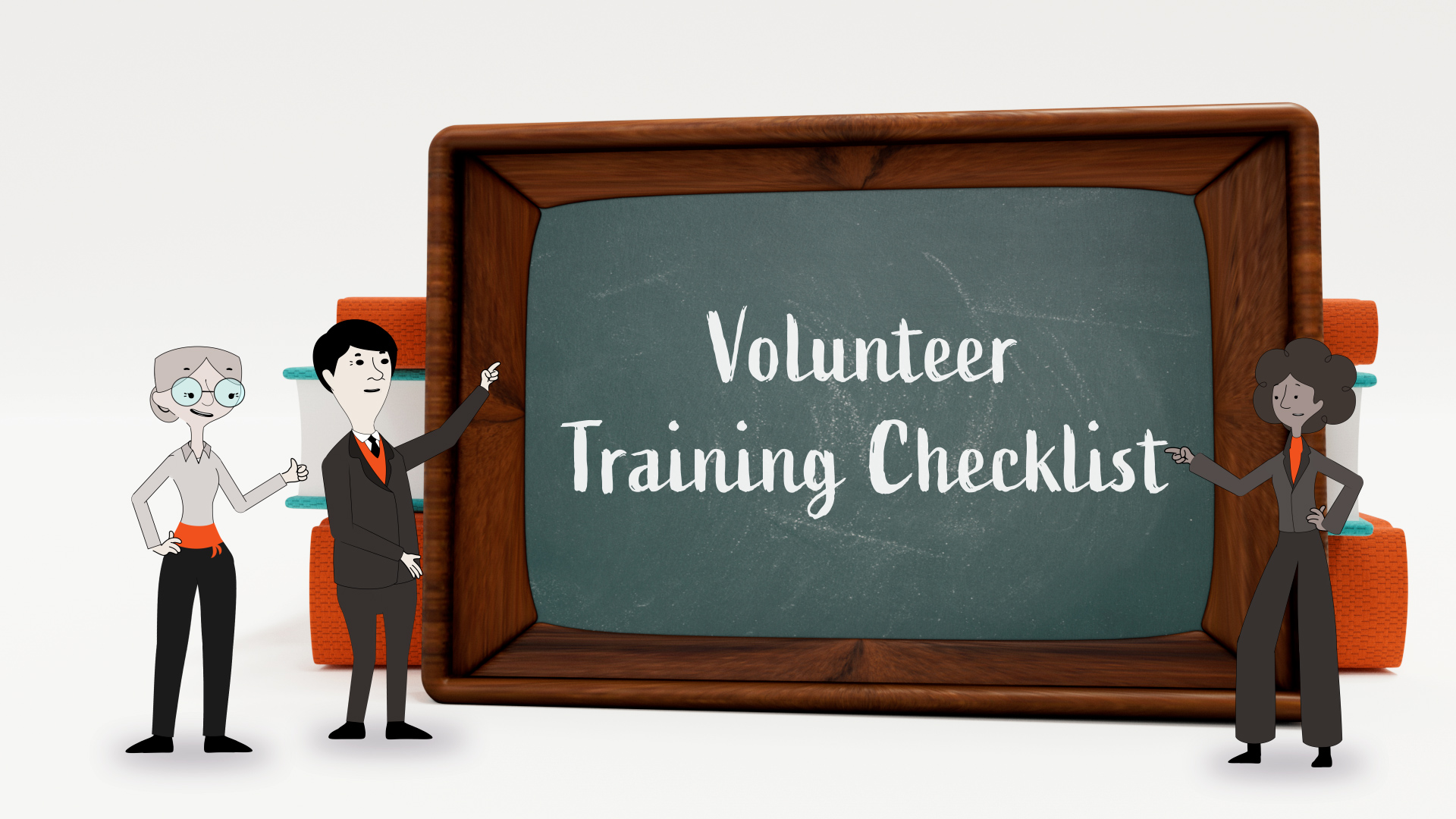
If you just watched our Let’s Talk Communications video on training volunteers, you already know: the best training doesn’t just inform…it connects. Great videos respect a volunteer’s time, attention, and motivations.
We’ve put together this checklist to help you plan your own training videos, whether you’re starting fresh or refreshing what you’ve got.
1. Start With Why
Volunteers aren’t just signing up for a task…they’re signing up for a purpose. Start your video by welcoming them into that bigger story. A short, warm intro goes a long way in helping people feel seen and valued.
2. Keep It Focused
As we mentioned in the video, information overload will quickly lead to disengagement. Cover only what volunteers need to get started safely and confidently. A clear scope keeps your video watchable and your audience attentive.
3. Mix It Up! Live Action + Animation
Video works best when it’s visually engaging. Use real people and real locations to ground your message in authenticity. Then, add in animation where needed to show scenarios that are hard to film, like safety procedures, common challenges, or role-play moments. The combo adds both clarity and energy.
4. Break It Into Bite-Sized Pieces
Instead of one long video, aim for short, modular segments that can stand alone. This makes it easy for volunteers to rewatch what’s relevant and avoids cognitive overload during onboarding.
5. Design With Engagement in Mind
Don’t give viewers a reason to tune out. Use dynamic visuals, clear captions, and an inviting tone. Talk with your volunteers, not at them. If it feels like a lecture, it won’t land.
6. End With Gratitude…and a Next Step
Wrap each video with a clear call to action (like how to sign up for a shift or who to contact) and a reminder that their time and energy matter. Recognition doesn’t have to wait until Volunteer Week—build it in from day one.
Training is more than a checklist, it’s your first chance to show volunteers they belong. With thoughtful planning and a little creativity, your videos can do more than just train… they can inspire. And if you’re not sure where to start, or just want a second set of eyes…we’re here to help.
CASE STUDY:
Talking Like a Conservationist
(So Everyone Gets It)
Chances are, you speak a secret language without realizing it. Every profession has its own jargon—useful for insiders, but confusing for everyone else.
That was exactly the challenge facing the Nature Conservancy of Canada (NCC). They needed to talk to governments and landowners about Other Effective Area-Based Conservation Measures (OECMs), lands that have another primary use, but can also be used for conservation. It’s a powerful idea, but not very intuitive and kind of a mouthful to say.
That’s where we came in. The team at Keyring played the role of translator, creating a video that broke down the concept and made it more digestible. Here’s how we tackled it:
Frame the challenge:
We started by letting the audience know why they should care about these concepts. What problems do they solve? It’s important to get viewers invested right away.
Define your terms:
If you can’t explain your key concepts with plain language or analogies, you need to define your terms. In this video we talk about Protected Areas, so we made sure to explain what defines these lands before using them to help explain OECMs.
Teach through comparison:
Teaching a concept through comparison is super effective for viewers. By relating the concept to something they already understand, you deepen comprehension, retention and simplify complex topics. In the video, defining Protected Areas first gave us a solid point of comparison to explain the more complex idea of OECMs.
Use visual cues:
A picture is worth…well, a lot of words. Consistent visual signifiers like colours or shapes make abstract ideas easier to grasp and help viewers see how everything fits together. Our brains love patterns. Here we used squares to illustrate Protected Areas and circles for OECMs. This shape language is carried throughout the video to build mental links and reinforce understanding.
We loved working with NCC on this one. We’re all just one small part of the incredible tapestry of life on this planet, and it’s on us to preserve the spaces we need to thrive together. Check out the video if you’d like to learn more about one of NCC’s many initiatives!
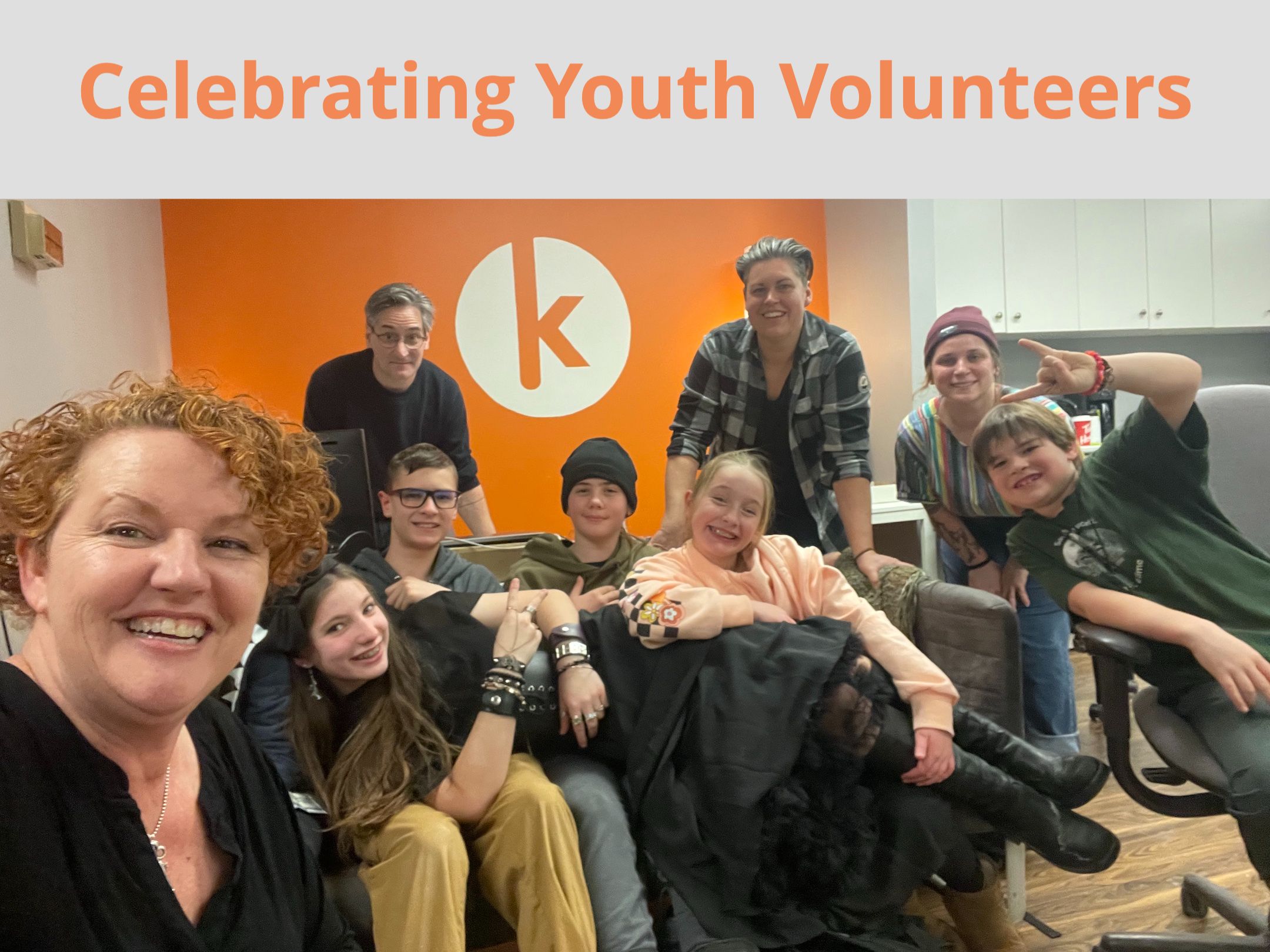
Don’t miss this fun and inspiring piece from the Green Herons, a group of youth environmentalists who recently visited our studio. After a crash course in filming techniques, they blended what they learned with their own field footage to create something really special. And their message to everyone…
“We ask that you head outside and find something that you can do for
the planet this Earth Day weekend.”
Check out their finished video—it’s a great reminder of the creativity and commitment today’s young people bring to environmental action.
Need Help Turning These Ideas into Reality?
That’s where we come in. Whether you need ideation, production, or editing, we’re here to guide you every step of the way. Let’s make 2026 your most impactful year yet!